

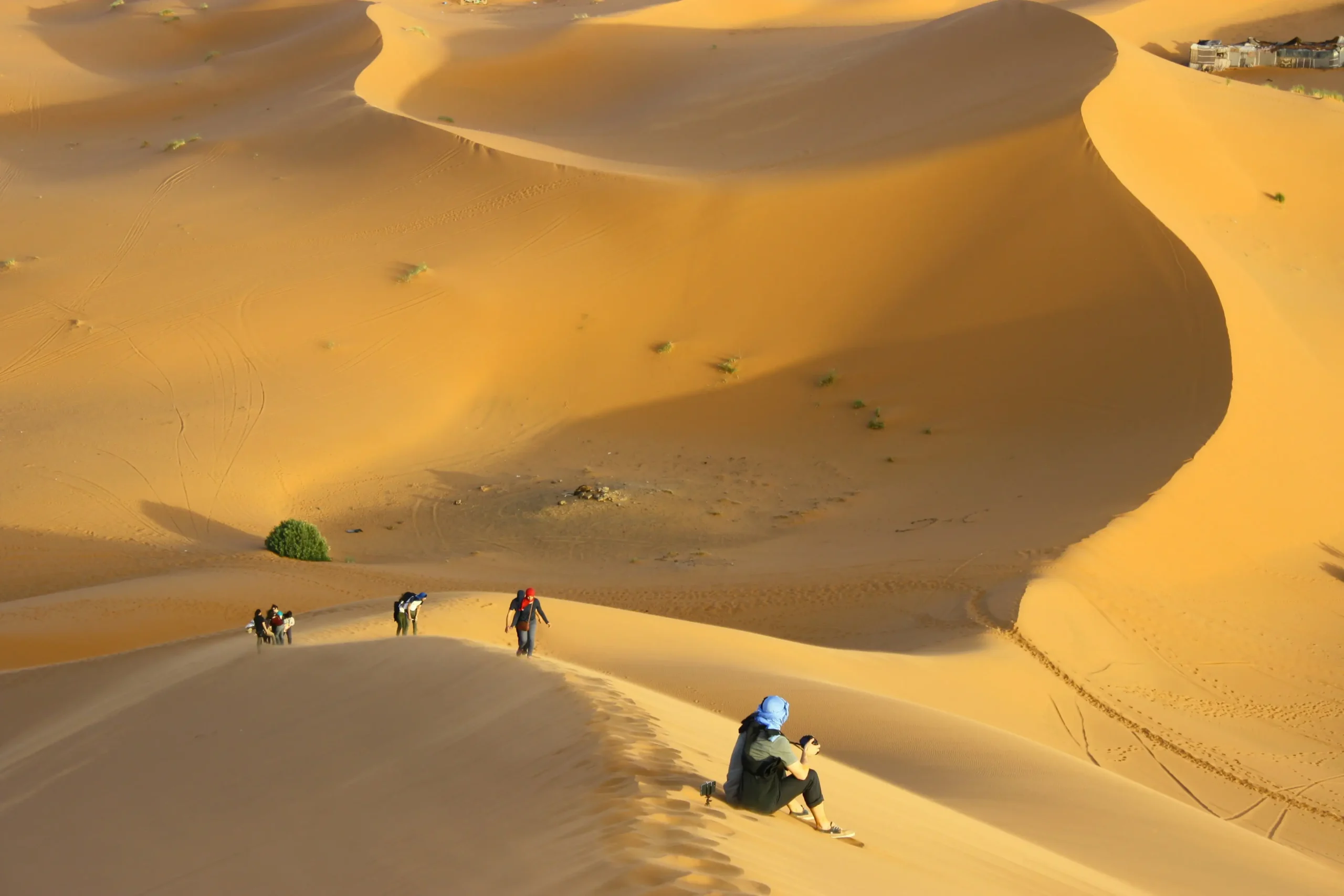
Morocco travel guide searches skyrocket every year — and honestly, that surprises no one. This country is the destination that keeps travelers up at night, flipping through photos of golden dunes, turquoise-tiled medinas, and rooftop sunsets drenched in saffron light. Morocco doesn’t just attract visitors. It seduces them. And once you’ve felt the warm Saharan wind on your face or sipped a glass of sweet mint tea in a Marrakech riad, you’ll understand exactly why.
Whether you’re a first-time visitor trying to figure out where to start, or a seasoned traveler hunting for something genuinely different — this guide covers everything. We’ve spent years exploring every corner of this extraordinary country, from the cedar forests of the Middle Atlas to the crashing Atlantic shores of Essaouira. So pull up a chair, and let’s plan your Moroccan adventure together.
Why Morocco Should Be Your Next Travel Destination

A Country Where Ancient Meets Adventure
Morocco is one of those rare places where you can ride a camel at sunrise, explore a 1,000-year-old medina by afternoon, and watch stars appear over the Sahara by night — all in the same day. Few countries on earth pack this much texture into a single experience. The smells alone could write a novel: cumin and rose water, cedar smoke and ocean salt, freshly baked msemen bread wafting from an alley you’d never find on a map.
But Morocco isn’t just beautiful. It’s endlessly fascinating. Arabic, Berber, French, and Spanish cultures have all left fingerprints here, creating a society that’s warm, complex, and deeply proud. Locals genuinely love sharing their country with curious travelers. That hospitality isn’t performance — it’s culture.
🌟 Quick Fact: Morocco welcomed over 14 million international tourists in 2023, making it Africa’s most visited country. And that number keeps climbing.
Morocco by the Numbers
| Detail | Info |
|---|---|
| Capital | Rabat |
| Currency | Moroccan Dirham (MAD) |
| Language | Arabic, Tamazight, French |
| Time Zone | GMT+1 |
| Visa-Free? | Yes, for most Western nationalities (up to 90 days) |
| Best Months | March–May & September–November |
Best Time to Visit Morocco
Peak Season vs. Shoulder Season
Spring (March to May) is genuinely magical. The countryside bursts into color, temperatures are comfortable across all regions — typically 18–25°C — and the crowds haven’t hit full force yet. Fall (September to November) runs a close second, with warm days and cooler evenings perfect for trekking.
Summer, on the other hand, is a different story. Inland cities like Fes and Marrakech can bake at 40°C+ in July and August. Survivable? Yes. Enjoyable? Not always. The coastal towns of Agadir and Essaouira offer relief, thanks to Atlantic breezes, but the Sahara in peak summer is strictly for the hardiest of souls.
Check out our dedicated best time to travel to Morocco guide for a full month-by-month breakdown, including festival dates and regional weather differences.
💡 Pro Tip: Visit the Sahara in October or March. The dunes glow orange-gold rather than bleached white, and temperatures drop to a perfect 20–25°C during the day.
Top Destinations to Explore in Morocco
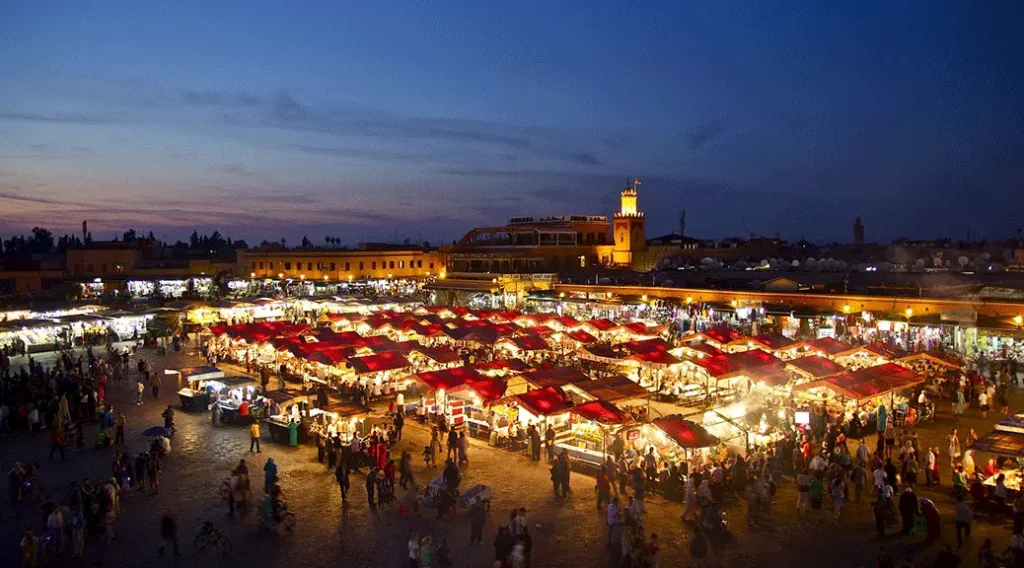
Marrakech: The Red City That Never Sleeps
Marrakech hits you like a drumbeat — loud, colorful, and utterly impossible to ignore. The medina (old city) is a UNESCO World Heritage site and one of the world’s most labyrinthine urban puzzles. Djemaa el-Fna square transforms from a fruit juice market by day into a carnival of storytellers, musicians, and street food vendors after dark.
Don’t miss the Bahia Palace, the Saadian Tombs, or the Majorelle Garden — that impossibly blue botanical oasis designed by Yves Saint Laurent. And please, get lost in the souks. Deliberately. Some of the best discoveries happen when you’ve completely forgotten where you are.
Fes: Step Into a Living Medieval World
If Marrakech is Morocco’s heartbeat, Fes is its soul. The medina of Fes el-Bali is the world’s largest car-free urban area, meaning donkeys and foot traffic are still the primary modes of transport. Yes, really. Walking into Fes feels like someone hit rewind on history by about 800 years.
The Chouara Tannery — where leather has been dyed using the same methods since the 11th century — is one of those sights that genuinely stops you in your tracks. Peer down at it from a rooftop terrace, free mint sprigs included to offset the, ahem, aromatic experience.
Chefchaouen: The Blue Pearl of the North
Chefchaouen is what happens when an entire town decides that every shade of blue is a valid architectural choice. Tucked into the Rif Mountains, this gorgeous village is impossibly photogenic. Every alley, every door, every crumbling wall is painted in some dreamy variation of cobalt, cerulean, or powder blue.
It’s calmer and cooler than Marrakech, popular with hikers and photographers, and home to some of the warmest café culture in the country. Budget at least two nights here.
The Sahara Desert: A Once-in-a-Lifetime Experience
There’s nothing that can prepare you for your first proper Sahara sunrise. Standing atop a dune at dawn, watching the sky shift from purple to gold while the silence wraps around you like something sacred — this is one of travel’s genuinely transcendent moments.
The main desert gateways are Merzouga (Erg Chebbi dunes) and Zagora or M’Hamid for the wilder Erg Chigaga. At Sahara Services, we believe the Erg Chigaga luxury camp experience offers something more remote, more raw, and more unforgettable than the more commercial Merzouga camps.
Hidden Gems Most Tourists Miss
Aït Benhaddou, the Draa Valley & Beyond
Most Morocco itineraries skip the deep south — and that’s a shame. The Draa Valley stretches south from Ouarzazate toward the Sahara in a stunning ribbon of palmeries, kasbahs, and ancient trading routes. Aït Benhaddou, a UNESCO-listed fortified village (ksar) on the old caravan trail, looks so cinematic it’s no surprise Game of Thrones and Gladiator were filmed here.
Further off the beaten path: the oases of Skoura and Tinghir, the dramatic Todra Gorge, and the authentic market town of Rissani. These places reward travelers who rent a car or join a small-group guided tour. If you’re considering a broader journey through the south, explore our range of Morocco desert tours from Marrakech to find the route that suits you best.
🗺️ Local Secret: The village of Moulay Idriss Zerhoun, near Meknes, is Morocco’s holiest town and was only opened to non-Muslim overnight visitors in 2005. Stay in a guesthouse here and you’ll have the marble streets almost entirely to yourself by evening.
Getting Around Morocco: Transport Tips & Tricks
Trains, CTM Buses, Grand Taxis & Private Tours
Morocco’s transport network is actually pretty solid once you know how to use it.
| Option | Best For | Cost (approx.) | Comfort Level |
|---|---|---|---|
| ONCF Train | Casablanca ↔ Marrakech, Fes, Rabat | $8–$20 | ★★★★ |
| CTM / Supratours Bus | City-to-city | $6–$18 | ★★★ |
| Grand Taxi (shared) | Short hops between towns | $1–$5 | ★★ |
| Private Tour / Driver | Flexibility, comfort, rural areas | $50–$120/day | ★★★★★ |
| Rental Car | Independent travelers | $25–$60/day | ★★★★ |
Trains are excellent between major cities and genuinely comfortable. But for anything south of Marrakech — the Atlas Mountains, desert regions, rural valleys — you’ll want either a rental car or a private guided tour. Roads in the south can be unpaved and confusing without local knowledge.
💡 Pro Tip: Book CTM buses in advance online, especially during Eid holidays. Seats sell out fast, and standing room on a Moroccan long-distance bus is not an experience you want to have.
Morocco Food Guide: What to Eat (and Where!)
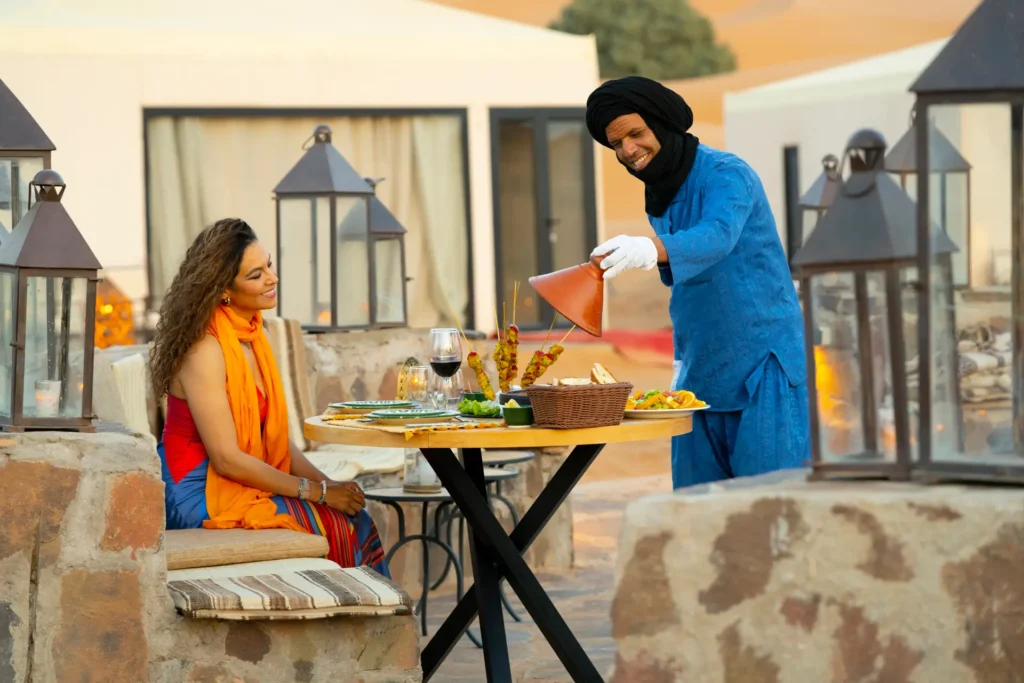
Must-Try Dishes: Tagine, Couscous, Pastilla & More
Moroccan cuisine is one of the greatest in the world. Full stop. The layering of spices — ras el hanout, cumin, coriander, saffron, cinnamon — creates flavors that are complex without being aggressive. Here’s your essential eating checklist:
- Tagine — slow-cooked meat or vegetable stew in a conical clay pot. Lamb with prunes and almonds is the ultimate version.
- Couscous — traditionally served on Fridays, piled high with seven vegetables and tender meat. A national institution.
- Pastilla — a flaky, sweet-savory pigeon (or chicken) pie dusted with powdered sugar. Sounds odd. Tastes extraordinary.
- Harira — a thick tomato, lentil, and chickpea soup served to break the Ramadan fast. Deeply comforting any time of year.
- Msemen — flaky, buttery flatbread eaten for breakfast with honey and argan oil. You will eat three without realizing.
- Mint tea — nicknamed “Moroccan whisky,” poured from height to create a froth. Accepting tea is never just about the drink; it’s an invitation into someone’s world.
Best Street Food Spots and Local Market Tips
The best food in Morocco is almost never in the tourist restaurants. Head to the mechanics’ quarter in Fes, the market squares of Chefchaouen, or the food stalls in Djemaa el-Fna at 9pm when the locals start arriving. A full grilled kefta sandwich costs about 15–20 MAD (roughly $1.50). A sit-down restaurant meal for two in a nice riad runs $20–$40.
💡 Pro Tip: When in doubt, eat where the truckers eat. Roadside stops near long-haul routes often serve the most generous, freshest tagines you’ll find anywhere — for about $3.
Morocco Travel Budget: How Much Does It Really Cost?
Budget, Mid-Range & Luxury Travel Breakdown
Morocco is genuinely affordable compared to European destinations, but costs vary wildly depending on your travel style.
| Budget Type | Daily Estimate (USD) | What’s Included |
|---|---|---|
| Budget Backpacker | $30–$50 | Hostel dorm, street food, public buses |
| Mid-Range Traveler | $80–$150 | Riad room, sit-down meals, private transfers |
| Luxury Traveler | $250–$600+ | Boutique riads, private tours, fine dining |
Currency tip: Always pay in dirhams, never in euros or dollars if you can help it. Exchange rates at hotels are usually terrible. Use ATMs in city centers for the best rates, and check out our full breakdown of practical Morocco travel tips including money, tipping culture, and SIM card advice.
According to Visit Morocco’s official tourism portal, the country’s diverse accommodation options range from simple guesthouses to Forbes-ranked luxury riads, making it genuinely accessible at every budget level.
Essential Morocco Travel Tips for First-Timers
Visa, Currency, Safety & Cultural Etiquette
Visa: Most US, UK, EU, and Canadian citizens enter Morocco visa-free for up to 90 days. Always check the official Moroccan government portal for the latest entry requirements before traveling.
Safety: Morocco is, overall, a safe country to visit. The main nuisances tourists face are persistent vendors and “guides” in medinas — not violent crime. Exercise normal urban caution, keep bags close in crowded souks, and trust your instincts.
Cultural etiquette — the essentials:
- Dress modestly, especially outside of beach resorts. Shoulders and knees covered goes a long way in rural areas and religious sites.
- Always ask permission before photographing people.
- Remove your shoes when entering a mosque or someone’s home.
- Accept tea and food offers graciously — refusing can cause genuine offense.
- Learn five words of Darija (Moroccan Arabic): shukran (thank you), la (no), bslama (goodbye), smahli (excuse me), mrhba bik (welcome). Locals will love you for it.
Bargaining: In souks, bargaining is expected and even enjoyed. Start at roughly 40–50% of the asking price and work up from there. Keep it light and friendly — it’s a social ritual, not combat.
Why Book Your Morocco Tour with Sahara Services?
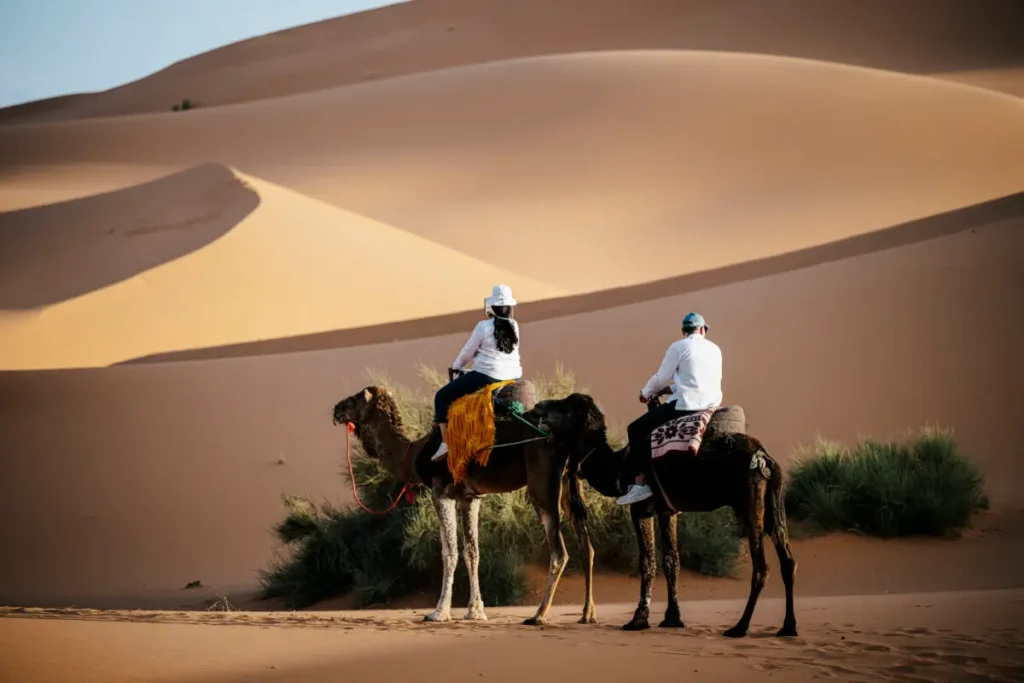
We’ve been operating tours across Morocco for years, and we genuinely love this country the way only locals can. Our team is made up of certified Moroccan guides, desert specialists, and travel planners who grew up in the places you want to visit. We don’t just book hotels and send you off. We craft experiences.
Whether you want a custom luxury Morocco travel package with private riads and gourmet dining, or a classic desert circuit through the Atlas and Sahara — we build your trip around you. Not a template.
Our most popular routes include south Morocco desert circuits, imperial cities tours (Marrakech–Fes–Rabat–Meknes), and bespoke private journeys that combine all of the above. Every itinerary includes airport transfers, accommodation recommendations, and a dedicated local contact available 24/7.
Frequently Asked Questions About Morocco Travel
Do I need a visa to travel to Morocco?
Most Western nationalities — including US, UK, EU, Canadian, and Australian citizens — receive a visa-free stamp on arrival valid for 90 days. Always verify current requirements via the official Moroccan government portal before departure, as policies can change.
Is Morocco safe for solo travelers and women?
Yes, Morocco is considered safe for solo travelers including solo women. Harassment in medinas can occur, particularly from touts, but violent crime against tourists is rare. Dressing modestly, walking confidently, and staying in well-reviewed riads all contribute to a smoother experience. Many solo female travelers cite Morocco as one of their favorite destinations in Africa.
What is the best way to travel between Moroccan cities?
For major cities (Marrakech, Casablanca, Rabat, Fes), the ONCF train is comfortable, affordable, and reliable. For the south — including desert routes, mountain passes, and smaller towns — a private guided tour or rental car gives you far more flexibility and access than public transport.
How many days do I need to see Morocco properly?
A minimum of 7–10 days lets you combine the imperial cities with one desert experience. Two weeks is ideal for a more relaxed journey. If you only have 5 days, focus on Marrakech and a day trip to the Atlas Mountains — don’t rush the desert; it deserves at least two nights.
Your Morocco Adventure Starts Here – Morocco Travel Guide
Morocco isn’t a destination you check off a list. It’s one you return to, dream about, and describe in run-on sentences to anyone who’ll listen. The country earns that devotion honestly — with every bowl of steaming tagine, every labyrinthine souk, every Saharan horizon that makes you feel thrillingly small.
Whether you’re planning your first visit or your fifth, the best version of Morocco is the one you experience with a knowledgeable local guide who genuinely loves showing it off. That’s exactly what we do at Sahara Services.
Start planning. The desert is waiting.
👉 Browse our Morocco travel packages and let us build your perfect itinerary today.
Related Articles You’ll Love
- Best Time to Travel to Morocco — Month by Month Guide — When to go for weather, festivals, and value
- Morocco Desert Tours: Sahara Itineraries from Marrakech — Everything you need to know about desert travel
- Morocco Travel Tips: Practical Advice for Every Traveler — Money, safety, etiquette, packing lists & more
© Sahara Services — Morocco’s trusted local travel experts. All content is original and written by our in-house team of travel specialists.